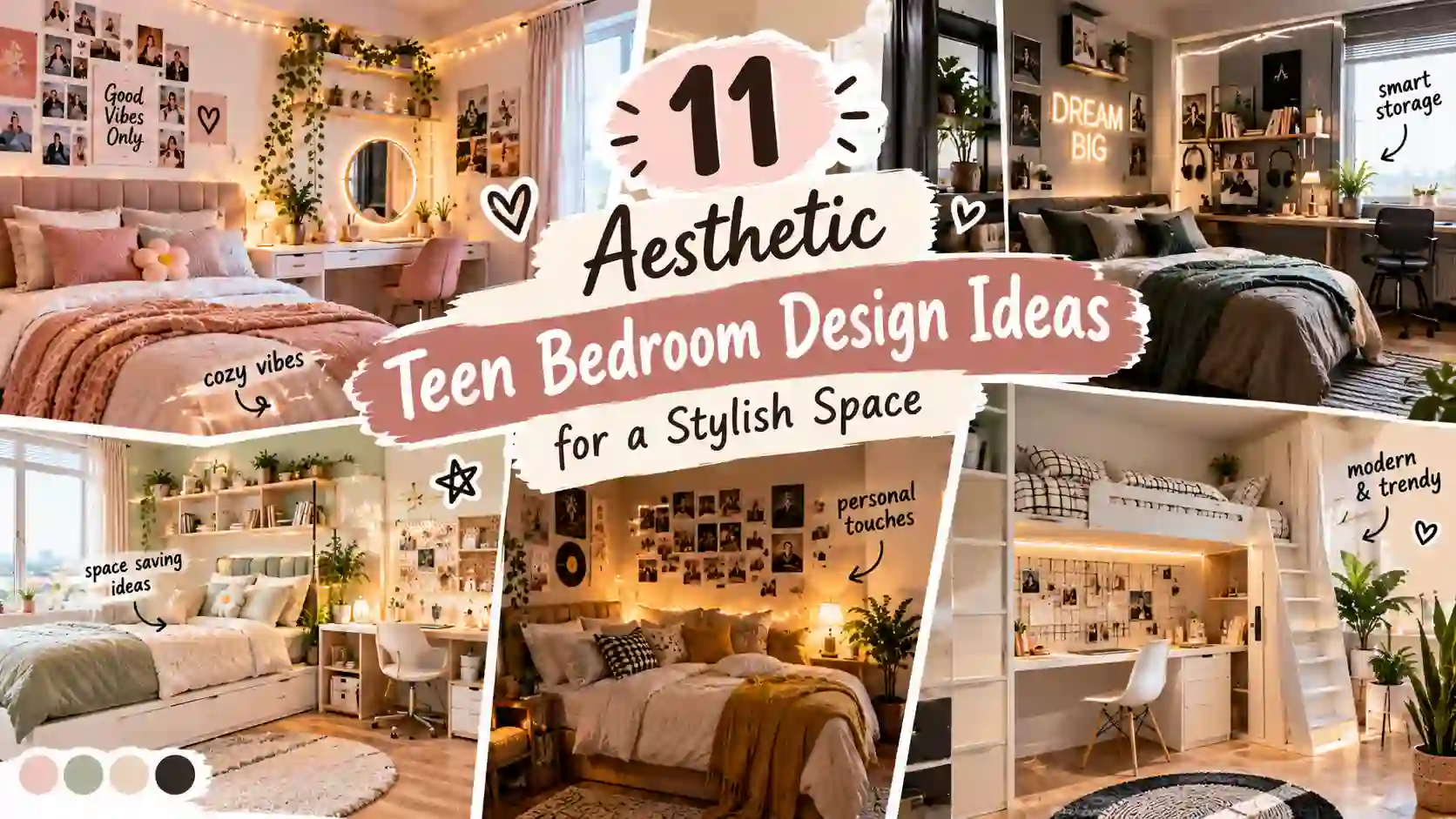
Aesthetic Teen Bedroom Design Ideas: Somewhere between childhood and adulthood, a bedroom stops being just a place to sleep and starts becoming something bigger. It’s where homework gets avoided, where playlists get made for every mood, where a mirror selfie takes twelve tries before it’s “the one.” For a teenager, that room is often the first real chance to say, “This is who I am,” without anyone else’s opinion getting in the way.
Designing that space well means thinking beyond a single poster or a new bedspread. It’s about the whole layout, the flow, and the little details that make a room feel finished. Here are 11 aesthetic teen bedroom design ideas to help build a space that feels stylish, comfortable, and genuinely personal.
Start With a Furniture Layout That Actually Works
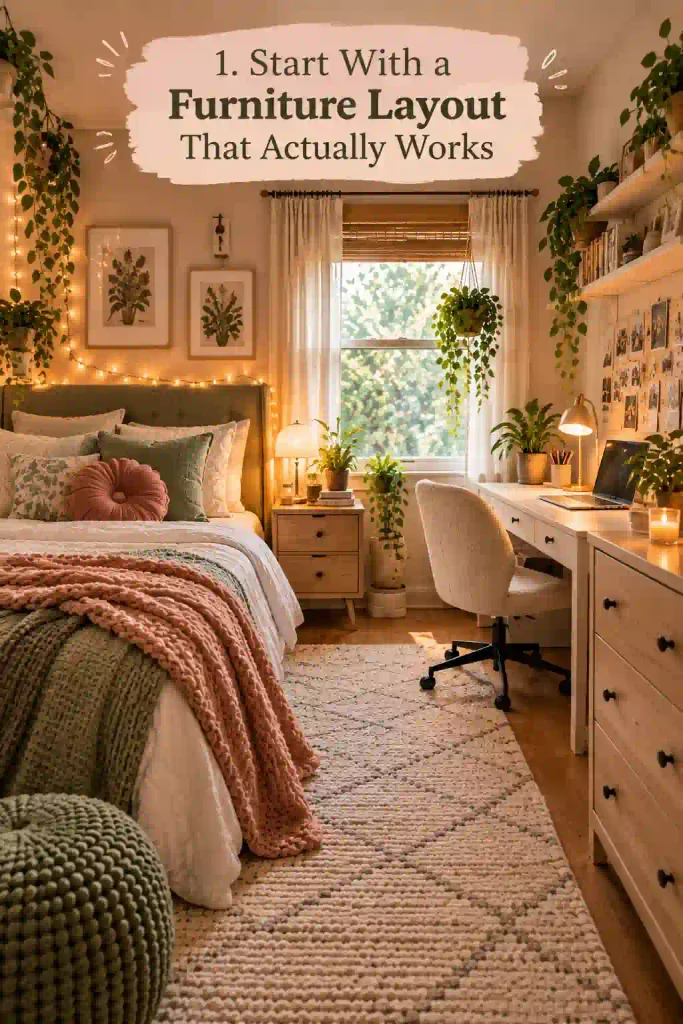
Before buying a single decor item, look at how the room functions. Where does the bed get the best light? Is there a wall for a desk that isn’t right next to the bed, so it stays a focused space? Pulling the bed a few inches off the wall, angling a desk toward a window, or moving a dresser to free up floor space can completely change how a room feels, all without spending a dime.
Choose a Color Story, Not Just a Favorite Color
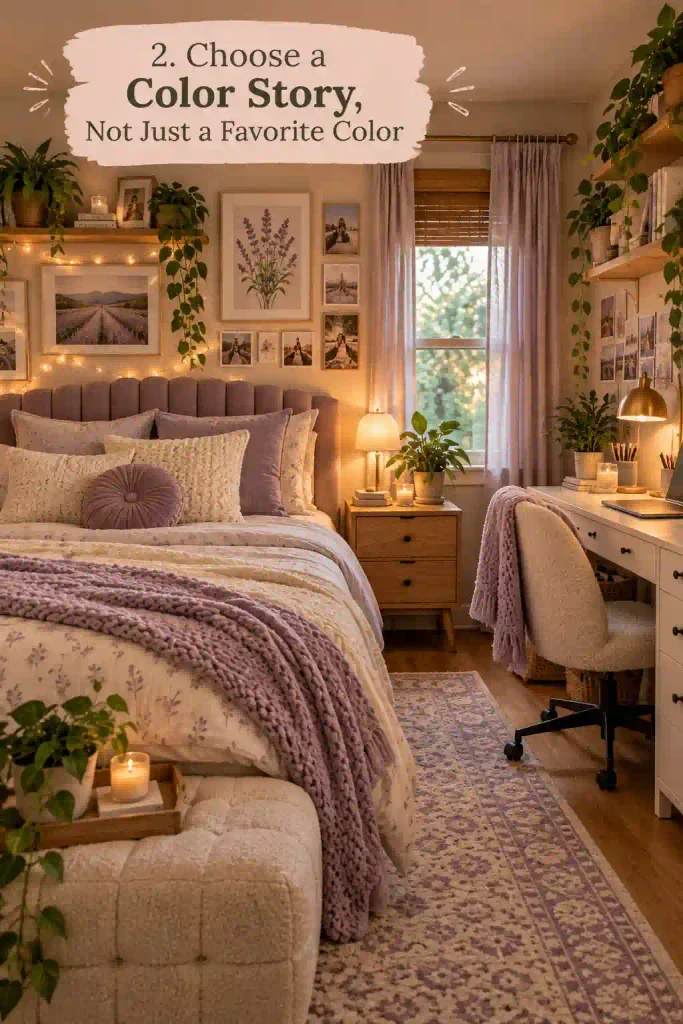
A great-looking room usually sticks to two or three colors that repeat throughout the space. Maybe it’s a soft lavender with cream and warm wood tones, or a deep forest green paired with black and brass accents. Picking a color story instead of just “my favorite color is purple” keeps the whole room looking pulled together rather than randomly decorated.
Add a Statement Headboard or Bed Frame
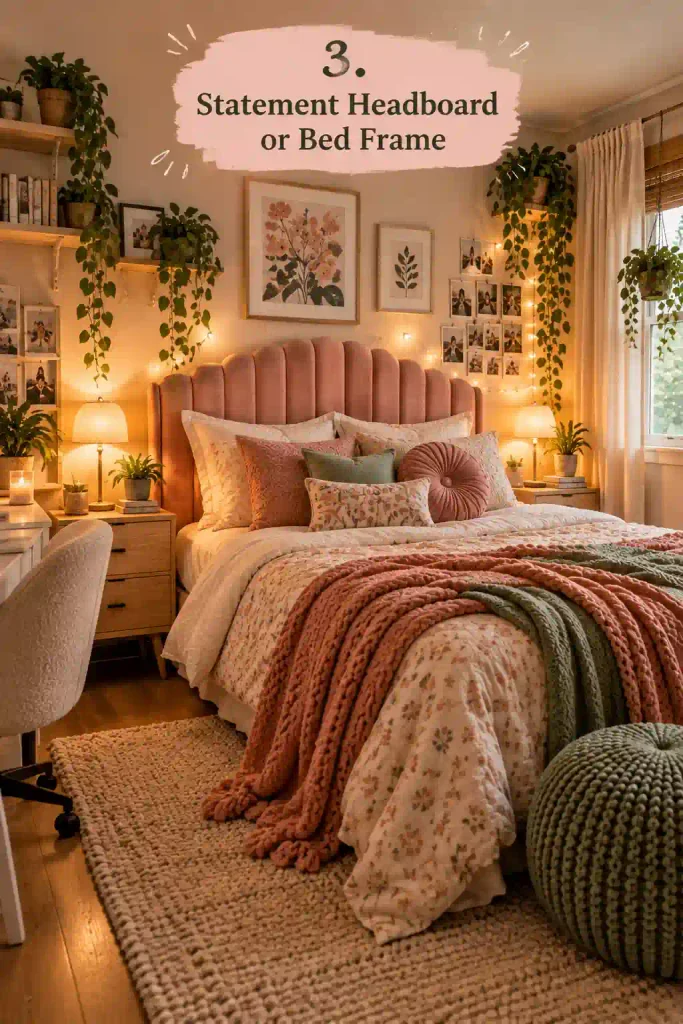
The bed is the biggest piece of furniture in most teen rooms, so it deserves some design attention. An upholstered headboard, a canopy frame, or even a simple curtain hung behind the bed adds instant style and makes the whole space feel more intentional. It becomes the anchor that the rest of the room’s design builds around.
Design a Dedicated Study Zone
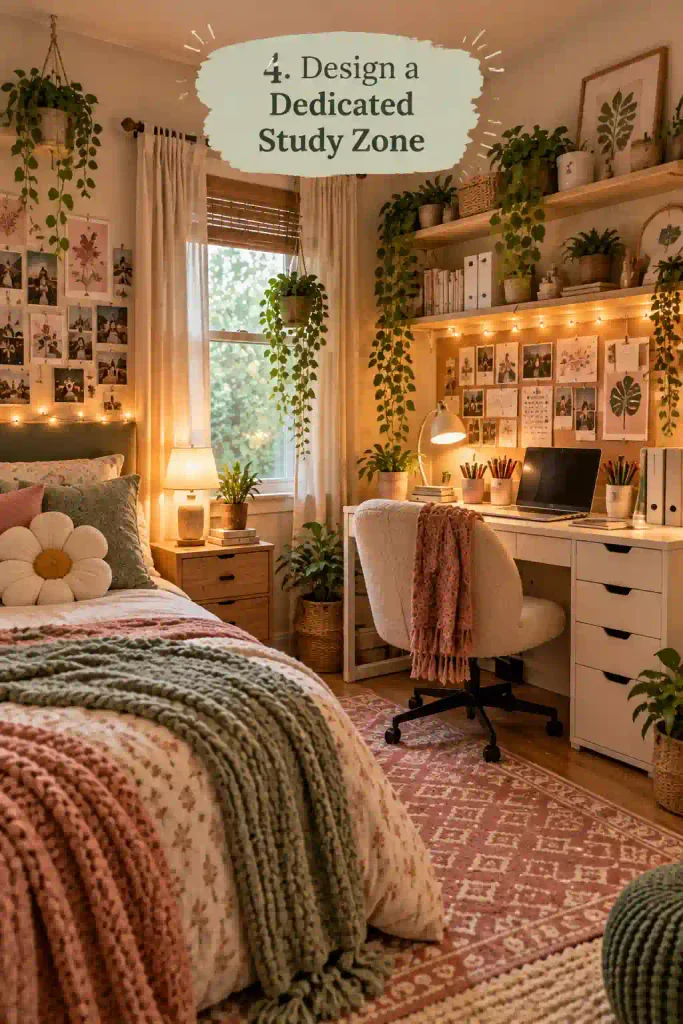
Even in a small room, carving out a specific spot for homework and studying makes a big difference, both for the room’s design and for actually getting things done. A compact desk, a comfortable chair, and good task lighting create a zone that feels separate from the sleeping and relaxing areas, even if it’s just a few feet away.
Layer Lighting for Different Moods
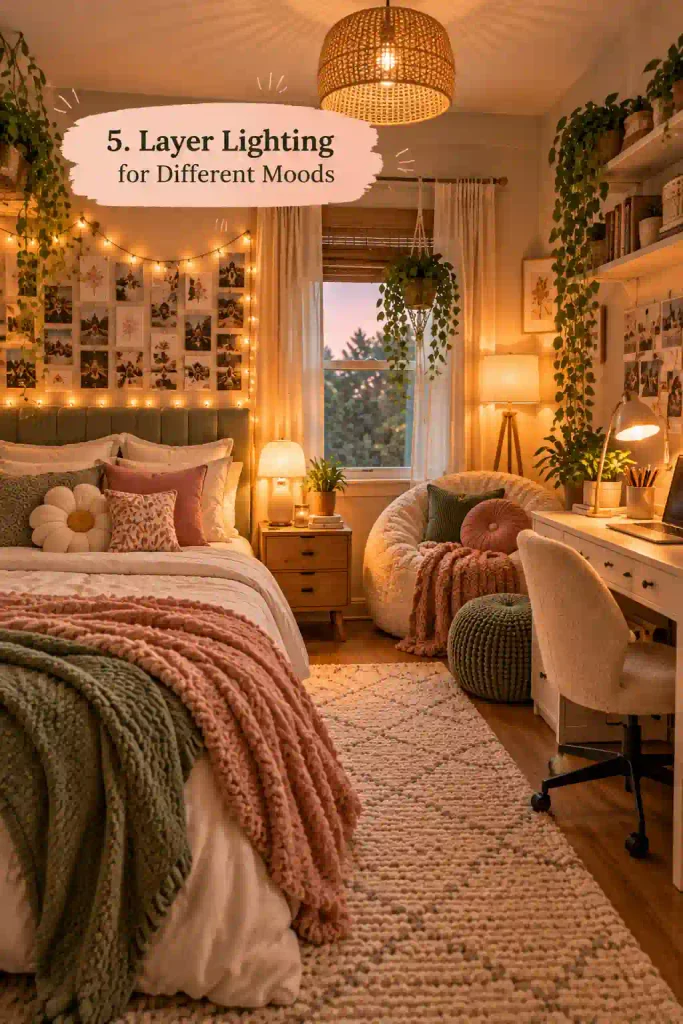
Good bedroom design uses more than one light source. A ceiling fixture for general brightness, a desk lamp for studying, and string lights or a soft floor lamp for evening relaxing all serve different purposes throughout the day. This layered approach makes the room feel more like a real, well-designed space and less like a single dorm-style setup.
Build a Focal Point Wall
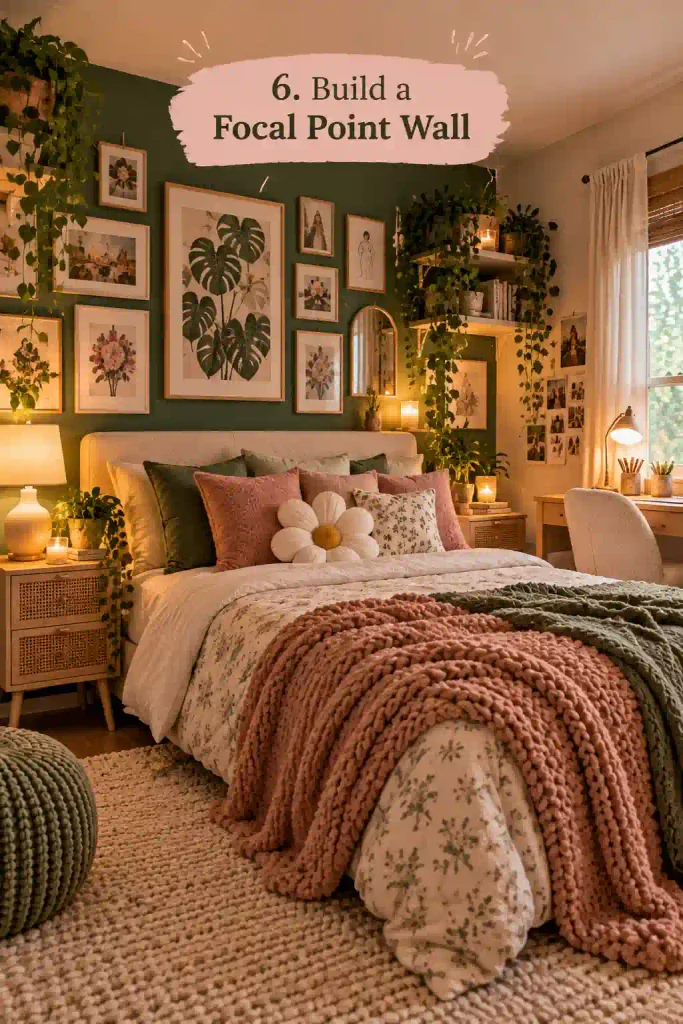
Every well-designed room tends to have one wall that draws the eye first. This could be a bold paint color, a large piece of art, a tapestry, or a curated gallery wall. Giving one wall this kind of attention creates visual interest and stops the room from feeling flat or repetitive, since the other walls can stay simpler by comparison.
Mix Textures for Depth
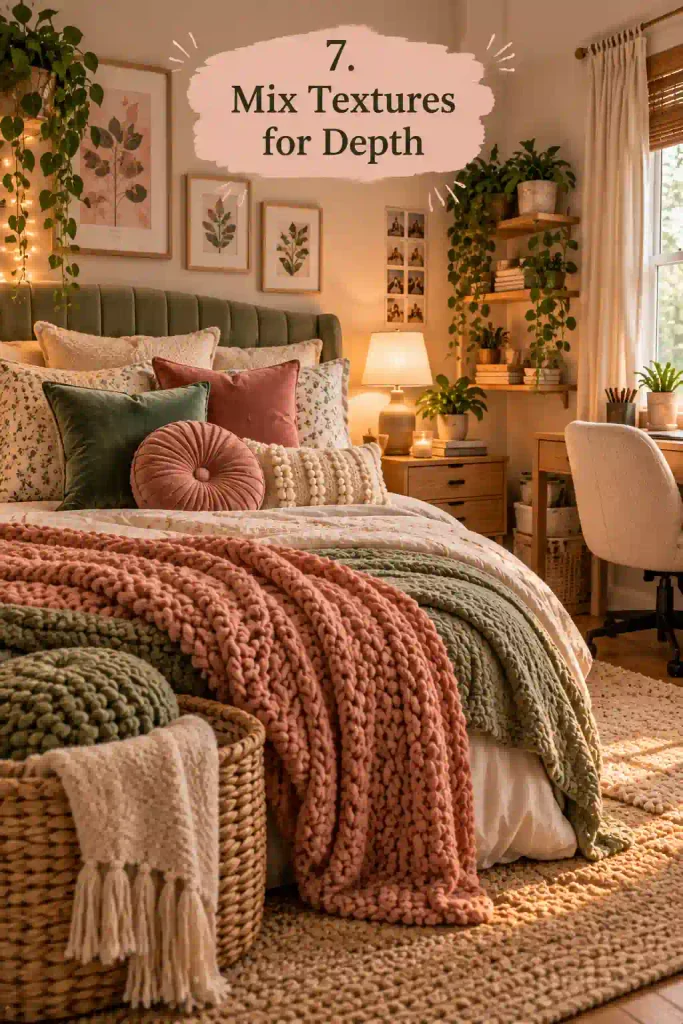
Smooth, matching surfaces can make a room feel a little sterile, even with great colors. Bring in a knit throw, a velvet pillow, a woven basket, and a wood nightstand to add texture and depth. This mix is often what separates a room that looks like a furniture showroom from one that feels warm, layered, and lived-in.
Add Smart, Stylish Storage
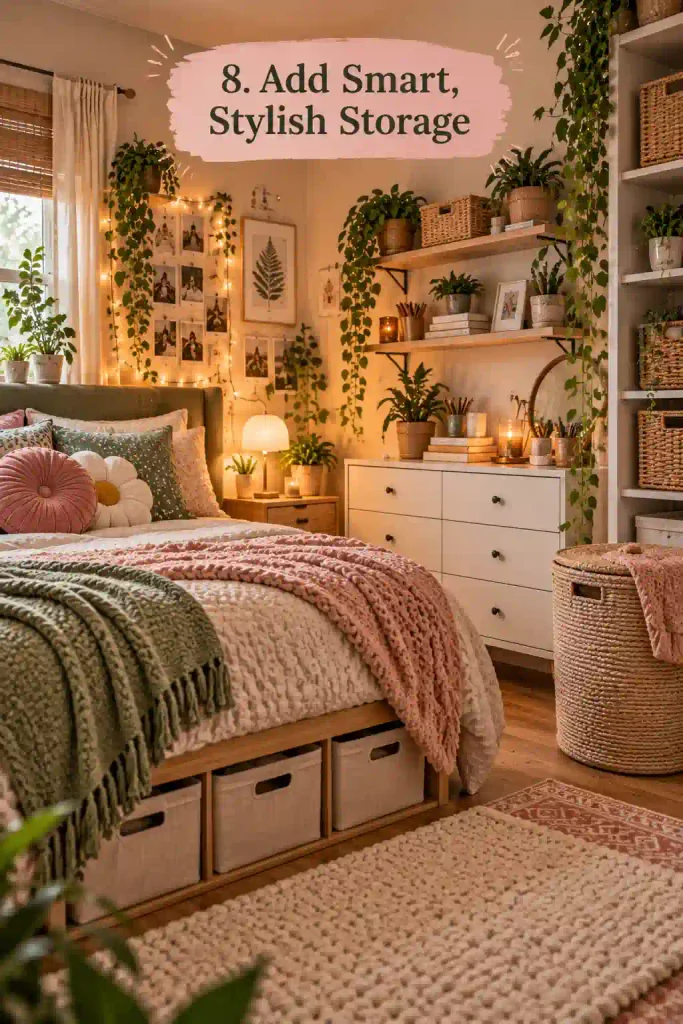
A cluttered room undoes even the best design choices. Baskets, floating shelves, under-bed storage bins, and a stylish hamper all keep things tidy without sacrificing style. When storage looks good enough to leave out in the open, staying organized becomes a lot less of a chore.
Personalize With a Display Wall
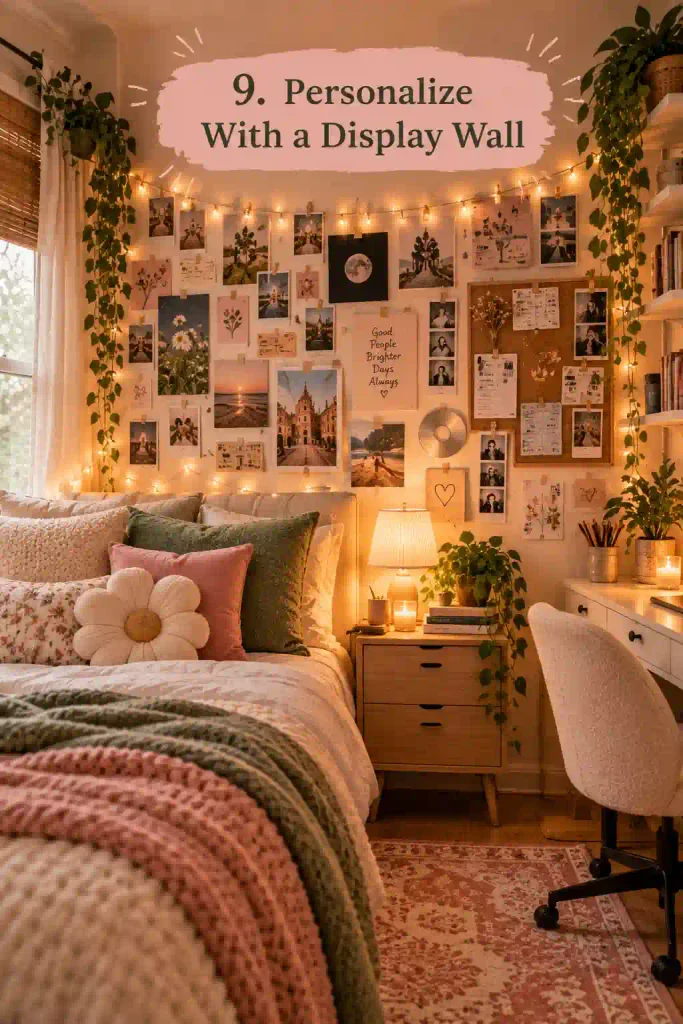
A section of wall dedicated to photos, ticket stubs, postcards, or small art prints turns a plain room into a personal timeline. Using a wire and clips, a corkboard, or a simple washi tape grid keeps this display flexible, so it can grow and change right along with new memories and new interests.
Include One Comfortable Lounge Spot
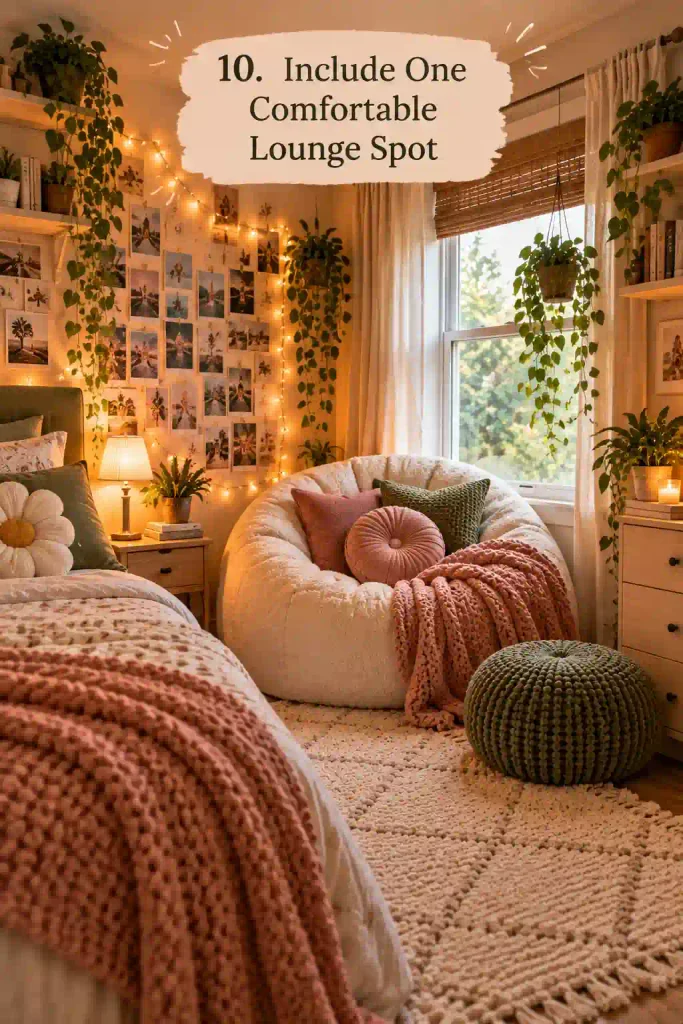
Beyond the bed and desk, a well-designed teen room usually has one more spot just for relaxing, whether that’s a bean bag chair, a floor cushion nook, or a small accent chair by the window. This extra seating area makes the room feel more like a real living space instead of just somewhere to sleep and study.
Finish With a Few Signature Details
The last step in any good design is the finishing touch: a scented candle, a small plant, a favorite quote framed on the desk, or a unique lamp that doesn’t look like everyone else’s. These signature details are often what a teen remembers most fondly about their childhood room years down the line, long after the exact furniture layout is forgotten.
Simple Design Tips for Any Budget
Good design isn’t about how much money gets spent. Keep these tips in mind:
- Plan before you shop. A clear layout idea prevents wasted purchases and mismatched pieces.
- Repeat colors and materials. Using the same two or three tones throughout ties everything together.
- Prioritize function first. A stylish room that doesn’t work for daily life won’t stay tidy for long.
- Let personality lead. The most memorable rooms reflect the person living in them, not just a trend.
Common Design Mistakes to Avoid
A few missteps can hold back an otherwise great room. Overcrowding the space. Too much furniture or decor makes a small room feel even smaller. Ignoring the room’s natural light. Furniture placement should work with windows, not against them. Choosing trends over comfort. A chair that looks great but nobody sits in isn’t doing its job. Skipping storage planning. Without a place for everything, even a beautifully designed room gets messy fast.