Color Schemes for Teen Girl Bedrooms: There’s a moment that tends to happen sometime around middle school, when the bright pinks and purples that once felt exciting suddenly start to feel a little young. Your daughter starts eyeing softer colors, more grown-up palettes, rooms that feel calm instead of loud. It’s not that she’s rejecting who she used to be. She’s just growing into who she’s becoming, and her room is often one of the first places that shift shows up.
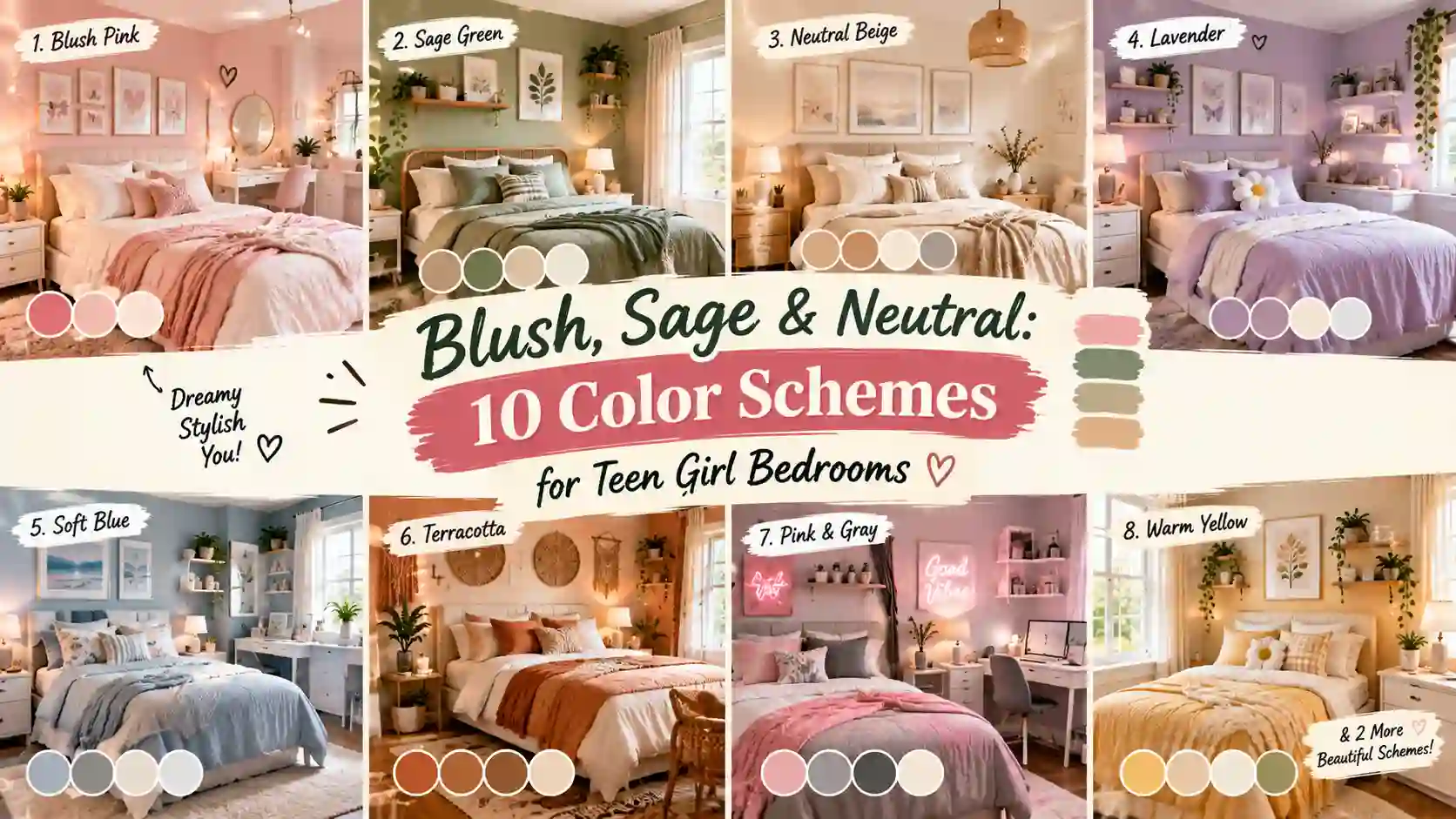
Choosing the right color palette for a teen girl’s bedroom is about more than just picking a pretty paint chip. It’s about creating a space that actually feels like her, one that can grow alongside her through the ups and downs of the teen years without needing a full redo every year or two. The right color scheme can make a bedroom feel like a genuine retreat, a place she wants to spend time in rather than just sleep in. Here are ten palettes that are resonating with teens right now, and why each one works.
Blush Pink and Warm White
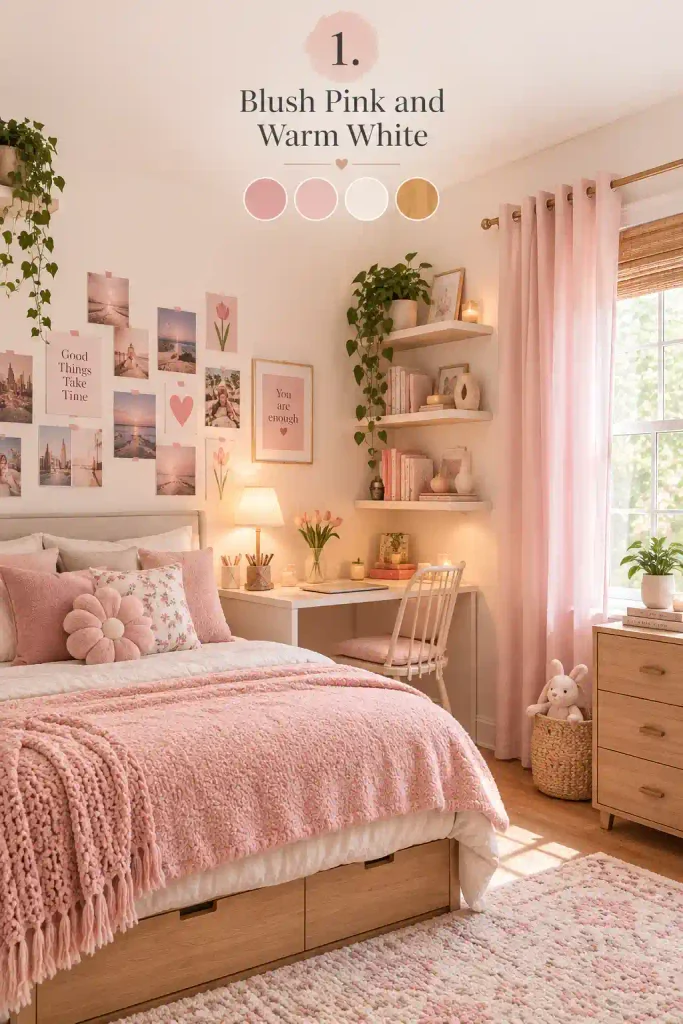
Soft blush pink has replaced the brighter, more saturated pinks of childhood bedrooms, offering a gentler, more sophisticated version of a color a lot of teens still genuinely love. Paired with warm white walls and natural wood furniture, this palette feels soft and romantic without tipping into anything too young or overly sweet.
This combination works especially well for teens who want to hold onto a little bit of softness while their overall style matures.
Sage Green and Cream
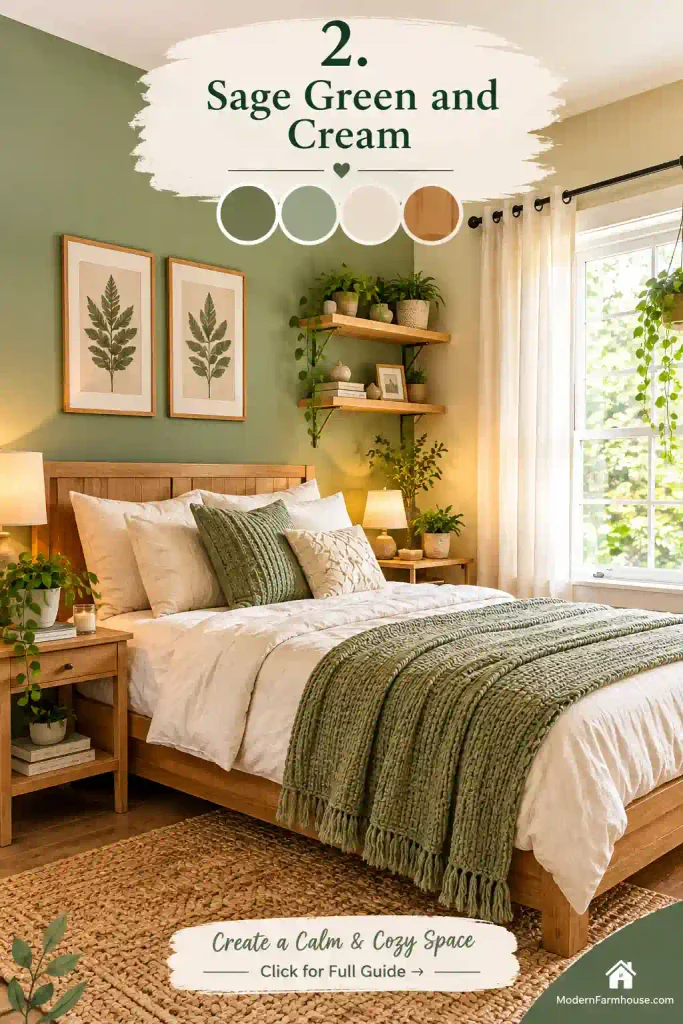
Sage green has become one of the most requested colors in teen bedrooms over the past few years, and it’s easy to see why. It reads as calm, grounded, and a little grown-up, while still feeling warm rather than cold. Paired with a soft cream or warm white, this palette creates a soothing, nature-inspired retreat that works beautifully whether the room leans more minimalist or more boho.
Terracotta and Warm Neutrals
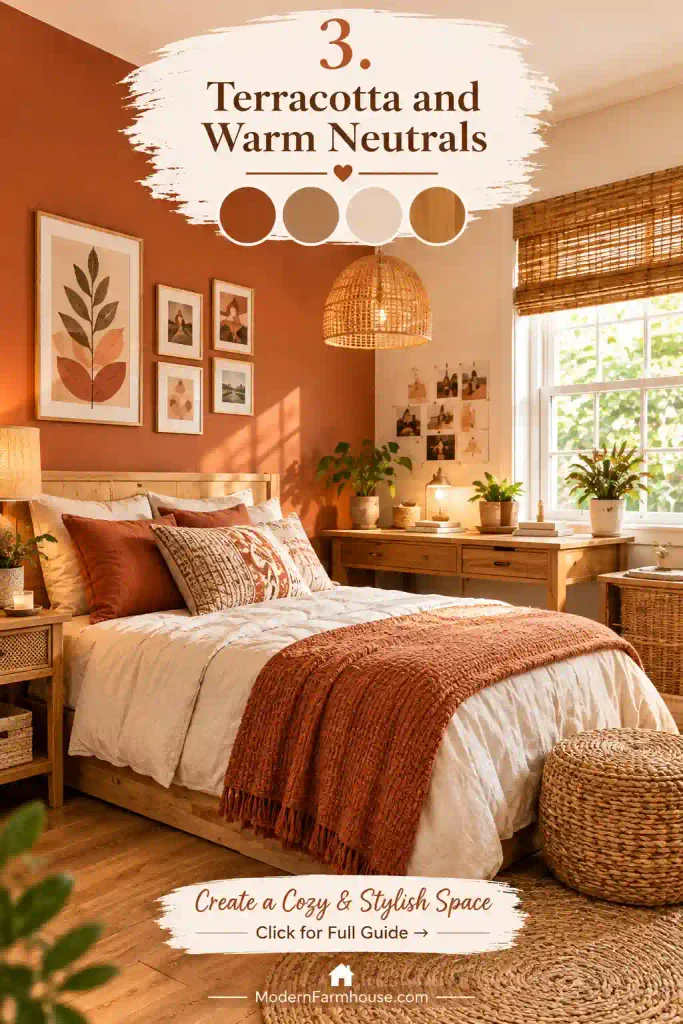
For a bolder, more earthy option, terracotta paired with warm sand and cream tones brings genuine warmth and personality into a room without relying on anything too bright or juvenile. This palette pairs especially well with natural textures like woven baskets, rattan furniture, and wood accents, giving the whole room an easy, sun-drenched feeling.
Lavender and Soft Gray
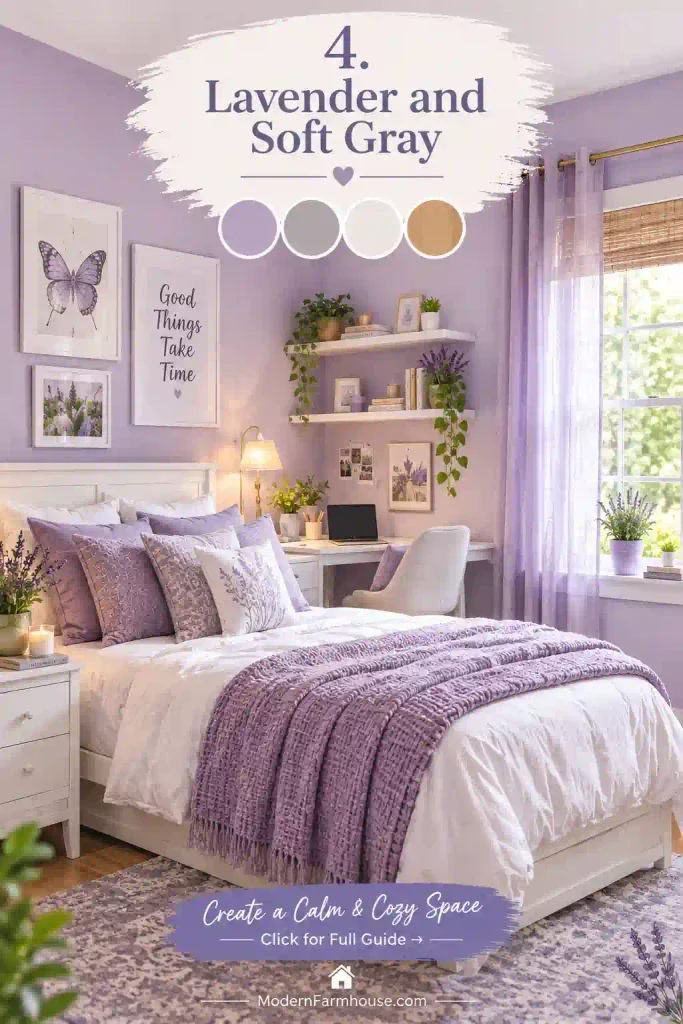
Lavender has stuck around as a beloved teen bedroom color for a reason, but pairing it with a soft, cool gray instead of bright white gives it a more sophisticated, updated feel. This combination works well for teens who love a touch of color but want their room to feel calm and restful rather than overly stimulating.
Dusty Blue and White
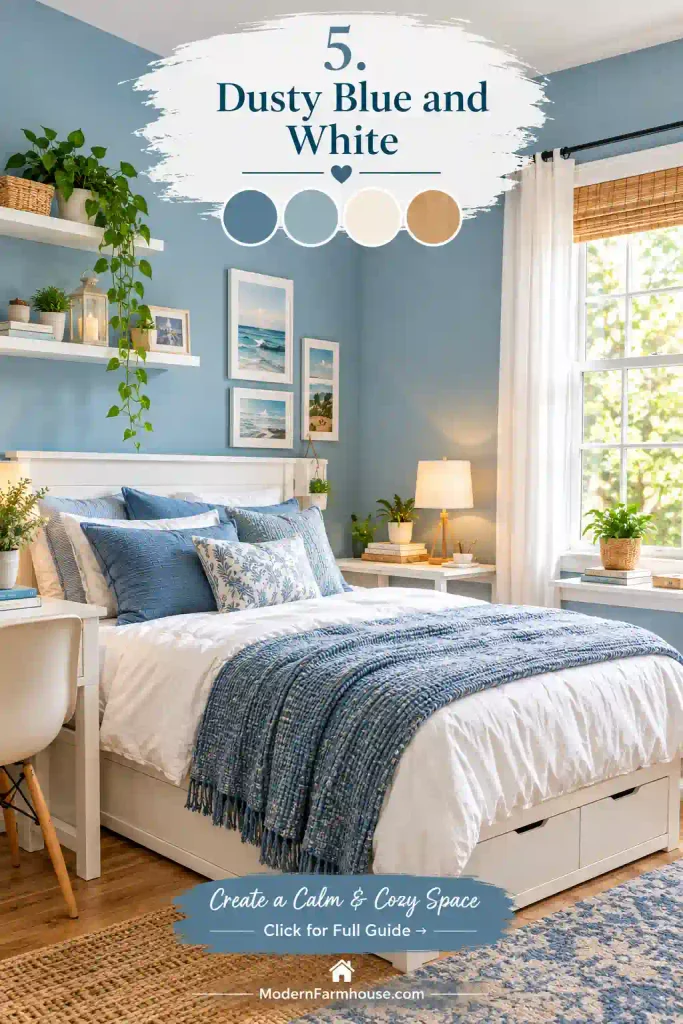
Dusty, muted blue tones offer a slightly moodier alternative to the pastel palettes many teens grew up with, while still feeling soft and calming rather than dark or heavy. Paired with crisp white trim and bedding, this combination feels fresh, a little coastal, and genuinely versatile across different design styles.
All-Neutral: Beige, Cream, and Warm White
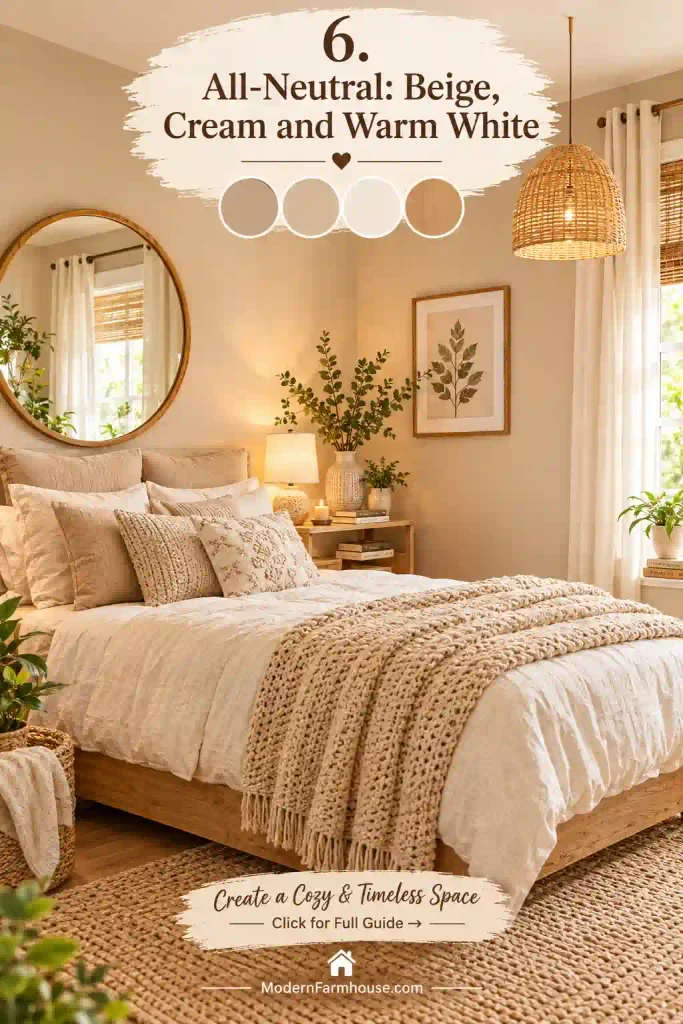
For teens who want their room to feel more like a calm retreat than a themed space, an entirely neutral palette built from layered beiges, creams, and warm whites offers a timeless, grown-up feeling that can flex easily as personal taste evolves. This palette also makes it easy to swap in colorful accents, like a bold throw pillow or a favorite poster, without ever clashing with the walls.
Mauve and Charcoal
For a slightly moodier, more dramatic feel, pairing a dusty mauve with charcoal accents creates a rich, romantic palette that feels distinctly more mature than a typical pastel room. This combination works especially well for teens drawn to a “dark academia” or moody aesthetic, offering depth and warmth without leaning fully into an all-dark color scheme.
Butter Yellow and White
Soft, buttery yellow has become a favorite alternative to brighter, more childlike yellows, offering a cheerful but still sophisticated pop of color. Paired with crisp white and natural wood tones, this palette feels sunny and optimistic without ever feeling overly saccharine, making it a great choice for a teen who wants a little brightness in their space.
Deep Green and Blush
For teens drawn to a richer, more dramatic look, pairing a deep forest or emerald green with soft blush accents creates a striking, jewel-toned palette that still feels warm and inviting rather than cold or overwhelming. This combination works particularly well as an accent wall paired with lighter, neutral furniture, giving the room depth without requiring every surface to commit to the bold color.
Warm Taupe and Soft Pink
A slightly warmer, more muted alternative to classic blush-and-white, this palette combines a soft taupe base with gentle pink accents for a look that feels cozy, balanced, and a little more mature than brighter pink schemes. It’s a particularly good option for teens transitioning out of a very pink childhood bedroom who still want to hold onto a little bit of that color without starting completely over.
How to Actually Choose the Right Palette
With so many beautiful options, it can be hard to know where to start, but the best approach is usually the simplest one: let your daughter lead. Ask what colors make her feel calm, what colors make her feel excited, and what colors she’s drawn to in her own clothes or favorite spaces outside the home. A palette chosen together, rather than one picked purely off a trend list, will almost always feel more authentic and last longer before she’s ready for a change.
It also helps to choose a base of two neutral or soft tones, then add one accent color through bedding, art, or accessories rather than committing every surface to a single bold shade. This approach gives the room room to evolve over time, since swapping a throw pillow or a piece of art is far easier than repainting an entire bedroom every time taste shifts.
Why Color Matters More Than It Seems To
A bedroom’s color palette does more than just look nice in photos. Color genuinely affects mood, and for a teenager navigating school stress, friendship changes, and the general emotional whirlwind of adolescence, a calming, well-chosen palette can make their bedroom feel like an actual refuge rather than just another room in the house. A soft sage green or a warm blush isn’t just a design trend. For a lot of teens, it’s the backdrop to some of their most important years, the room where they’ll do homework, cry over a hard day, celebrate good news, and slowly figure out who they’re becoming.